
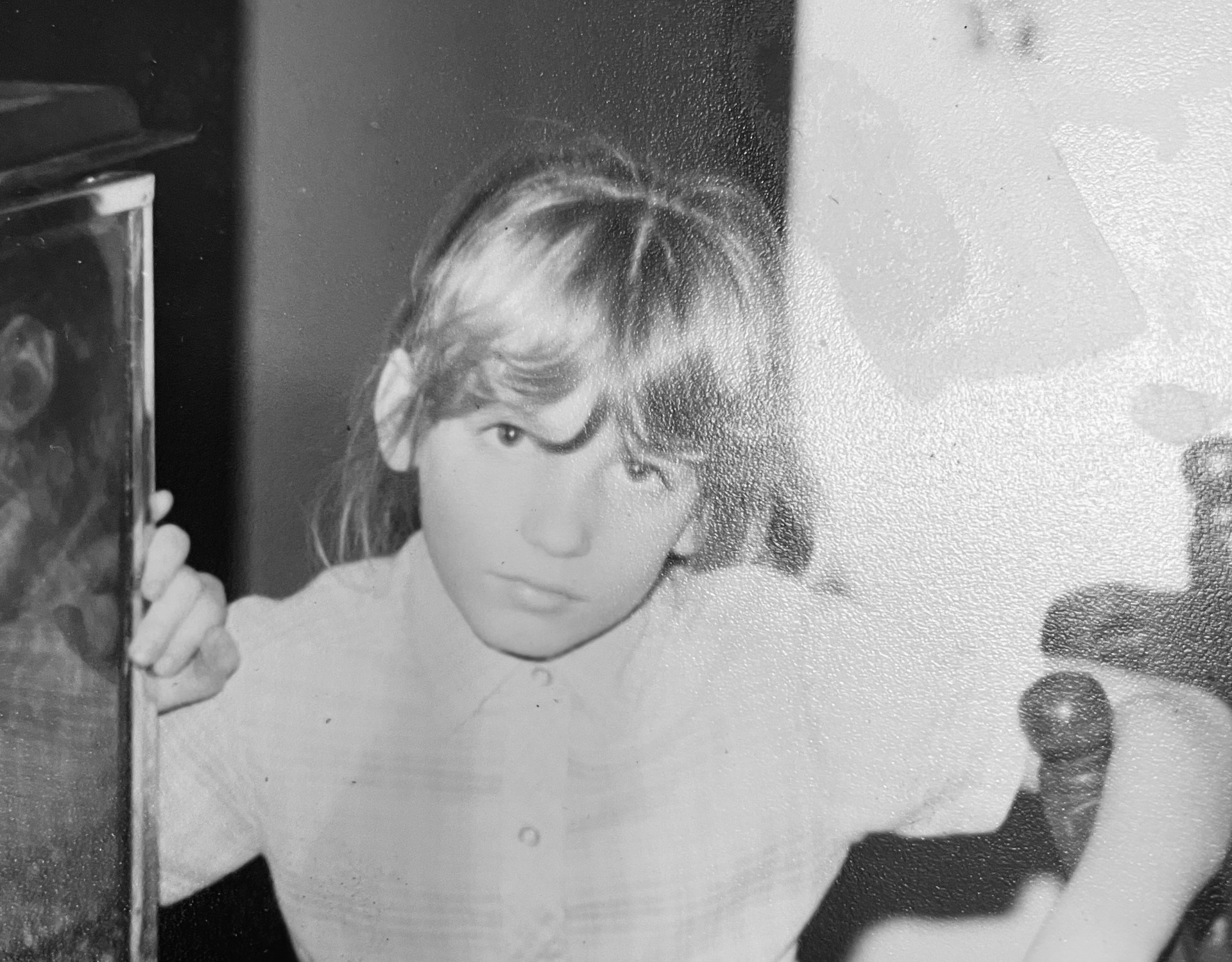
“The Path to Empathy: A Journey Through Trauma and Healing”
“I don’t feel empathy,” a close friend and relative confessed over the phone, his voice sharp with a mix of words that felt as if this was a confession that he wanted to understand. I listened and offered my love and empathy because I knew that even though he was opening up about this aspect of himself, I could see his heart. I was confident that he could absolutely be empathetic however, trauma blinded that wonderful part of him at times.
After our phone call, I couldn’t help but reflect on my own “non-empathetic” journey. I understood his struggle in a million different ways. Just the day before, I had been sitting in my car with my mom, parked in a run-down park-and-ride lot, the kind littered with broken glass, beer bottles, and discarded trash. Each piece of debris told a story—remnants of camaraderie or solitary escapes, but all marked by a sense of abandonment.
My mom climbed into the passenger seat with that familiar, weary look on her face. We exchanged the kind of half-hearted smiles that mask deep-seated pain. Born on her 18th birthday, I was intimately familiar with her emotional landscape—part dissociation, part panic, part profound sadness. She was grieving the loss of my brother, her only son, and it was a wound that might never fully heal.
As she spoke, her words mingling with the hot afternoon air, I found myself genuinely feeling her pain, at times sympathetic and at other times with empathy. It wasn’t just intellectual understanding; it was an emotional resonance.
“I don’t feel empathy,” my friend had said, and now, in this cluttered parking lot, I realized how far I’d come from that same place.
Frozen in a state of dissociation with broken pieces of clutter clouded my brain. Familiar remnants of traumas in the past scattered marked by abandonment by what I didn’t want to see, feel or wasn’t ready to heal. Healing is not easy and it takes a lot of strength and endurance to clean a parking lot that has been filled for years.
It’s easy to be quick to label people as narcissistic or selfish when they struggle with empathy. Especially if you have wanted their empathy for your experiences. In reality, many are grappling with deep, unresolved trauma. They’re trapped in their pain, unable to see or hear others because their own emotional wounds consume them. Healing is crucial, yet terrifying. It means facing the very feelings they’ve been avoiding, peering into the abyss of their own suffering.
As I have worked on my own healing, I have often felt as if I could see and hear for the first time.
I used to get frustrated with my mom’s frozen state, her inability to move past her fears. But after a lot of personal work, I could finally empathize. I could see her and hear her. And on this particular day, as she shared her heartache, she gave me the warmest, most genuine hug I had ever received. It felt like a divine gift, affirming that I was on the right path, learning to connect deeply and authentically especially with her. Thank you God.
Trauma and Empathy: An Academic Perspective
Dr. Gabor Maté and Dr. Nicole LePera (The Holistic Psychologist) offer significant insights into why trauma can hinder empathy.
Dr. Gabor Maté explains that trauma fundamentally alters brain development and functioning, particularly the parts responsible for emotional regulation and empathy. Trauma survivors often adopt coping mechanisms—such as addiction, compulsive behaviors, or emotional withdrawal—to numb their pain. These behaviors distance them from their own feelings and, consequently, from empathizing with others. Maté’s research highlights that unresolved trauma disrupts normal emotional processing, leading to an increased need for self-soothing behaviors and further distancing individuals from empathetic responses .
Maté also discusses how trauma fosters a defensive mode of existence, where the primary focus is on self-protection and survival. This self-centric outlook makes it challenging to genuinely understand or share another person’s feelings, as the individual is preoccupied with their own internal struggles .
Dr. Nicole LePera echoes similar themes, noting that trauma often dysregulates the nervous system. Those who have experienced trauma may live in a constant state of fight, flight, or freeze, making empathy difficult. When the nervous system is dysregulated, the ability to connect with others diminishes because the individual’s focus remains on managing their own anxiety and survival responses. LePera advocates for holistic healing practices—such as mindfulness, self-compassion, and nervous system regulation—to rebuild the capacity for empathy .
Both Maté and LePera emphasize the importance of healing trauma to restore empathetic capacities. Trauma-informed care, which includes acknowledging and addressing past trauma, is crucial in this healing process. By fostering a sense of safety and emotional regulation, individuals can gradually reconnect with their emotions and, subsequently, with others.
Conclusion
Trauma profoundly impacts the ability to experience empathy due to altered brain functions, defensive coping mechanisms, and nervous system dysregulation. Healing these impacts requires a compassionate and holistic approach, focusing on both emotional and physiological aspects of trauma recovery.
For me, the journey has been transformative. Through art and writing, I’ve found new ways to process my experiences and connect with others. I share this story and these insights in the hope that they might offer solace and guidance to someone else on their path to healing. Remember, you are not alone.
Sources:
- Dr. Gabor Maté: https://drgabormate.com
- Qualia Life: https://qualialife.com
- PsyTelligence: https://psytelligence.com
- The Holistic Psychologist: https://theholisticpsychologist.com
 Noticing
😔💜🥰
LikeLiked by 1 person